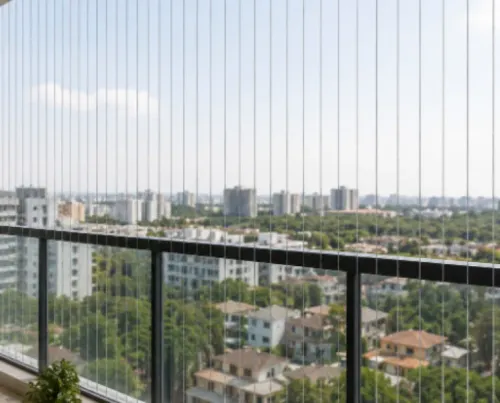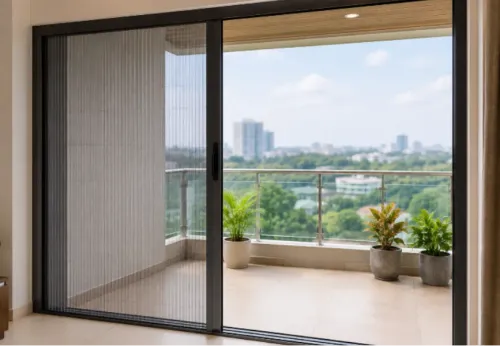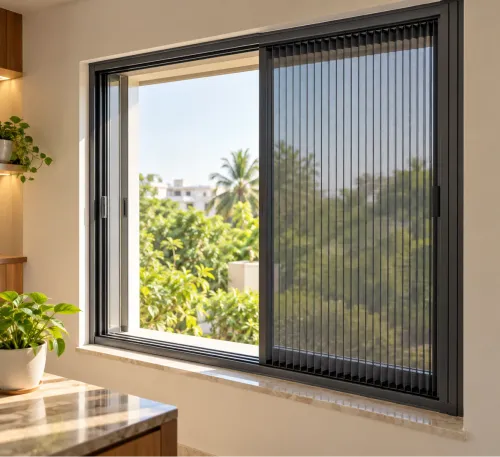
Dust, monsoon moisture, construction residue and daily office activity can affect invisible-grill cables and their fittings long before a defect becomes obvious. By following a fixed inspection schedule, using a non-abrasive cleaning method and isolating damaged sections quickly, facilities teams can protect the installation without creating a fall or access hazard.
Key takeaways
- Check cables daily and record panel condition every month.
- Clean with mild soap, soft cloth and no abrasive tools.
- Inspect anchors, crimps, tension and cable coating every three to six months.
- Stop cleaning and call a professional when cables loosen, fray or corrode.
Build a Maintenance Schedule Around Pune’s Office Conditions
For invisible grill maintenance for office in pune, use three inspection levels: a quick visual check each working day, a recorded check each month, and a detailed panel inspection every three to six months.
Daily staff checks take less than a minute; look for a displaced cable, new slack, visible impact or furniture pressing against the panel.
Monthly, facilities staff should examine the cable plane, corner brackets and anchor points from a safe position. Wipe away surface dust during the monthly visit, but do not pull, twist or retension a cable as part of routine cleaning.
Schedule the detailed inspection before or immediately after Pune’s monsoon, then repeat it after nearby construction, facade work or office renovation. Rainwater, traffic pollution and cement dust collect inside crimps, channels and drilled anchor points, where defects are easier to miss.
After painting, drilling, plastering or facade work, inspect the panel before reopening the area to staff. Check for paint overspray, cement slurry and impact marks; masonry dust is abrasive and alkaline, so residue can damage the coating and restrict fitting movement.
Record the panel or window identifier, inspection date, corrosion, cable condition, fitting condition and frame cracks. Note every retensioning or replacement. Stop using the opening and isolate it if a cable breaks, several cables loosen together, an anchor pulls away, the frame cracks or equipment strikes the system. Then arrange a qualified inspection.
Clean Cables and Fittings Without Damaging the Coating
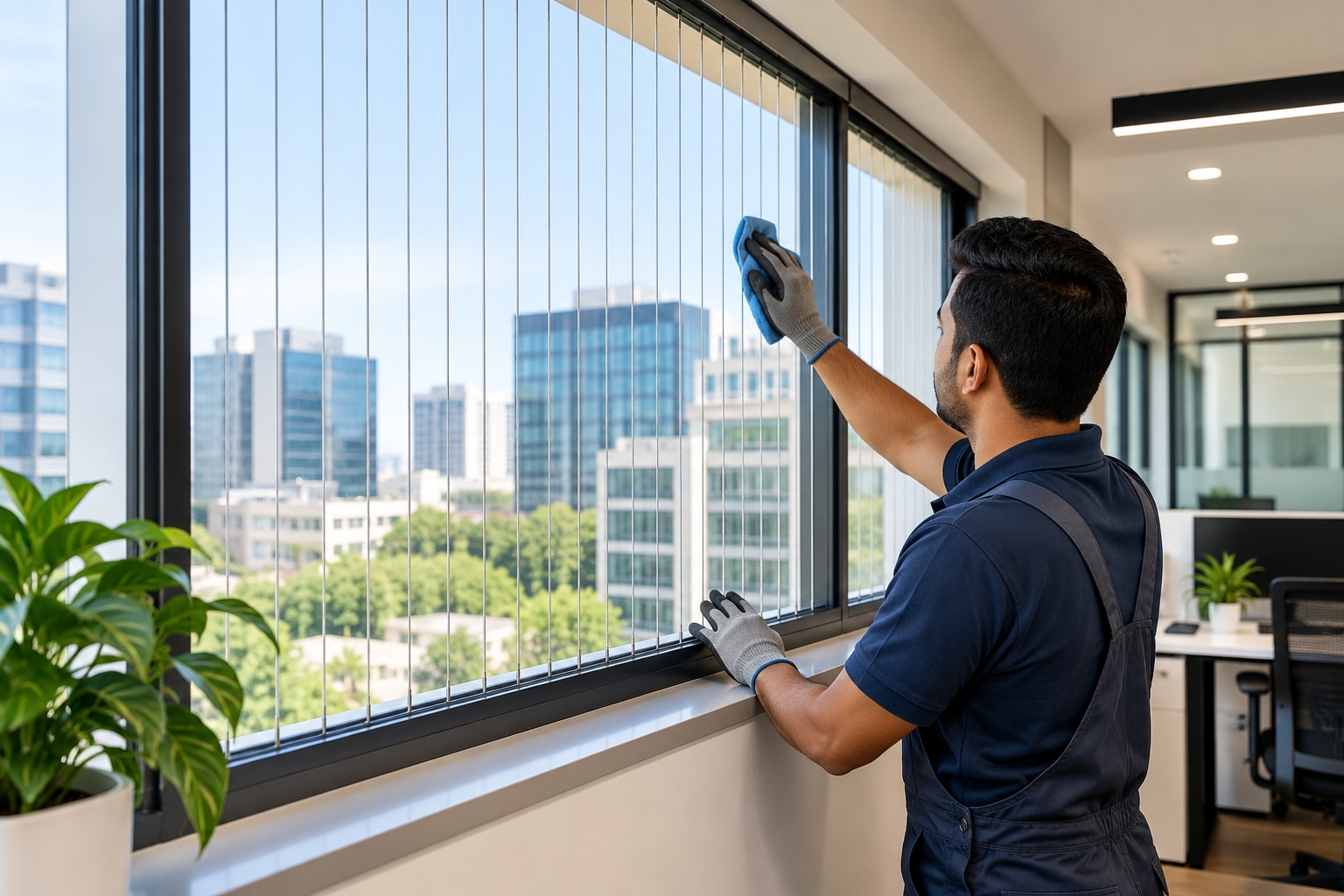
Do not dry-scrub Pune dust or pollution film from an invisible-grill cable. Rinse loose grit with clean water, then wipe gently with a soft microfiber cloth or non-abrasive sponge dipped in clean water containing a small amount of mild detergent.
Use light pressure so the cloth does not pull the cable, disturb its designed plane or loosen a fitting.
Clean each area in this order:
- Rinse loose dust before wiping, because dry grit can scratch the coating.
- Work from the upper cable and frame downwards, including channels, corner brackets and crimps.
- Hold a damp cloth over dried bird droppings, rain marks, paint spots or cement residue until they soften.
- Wipe the loosened residue away; repeat instead of scraping with a blade or metal tool.
- Rinse with clean water to remove detergent and abrasive particles.
- Dry stainless-steel fittings, anchor plates and channels with a separate clean cloth.
Avoid steel wool, abrasive powders, hydrochloric-acid toilet cleaners, concentrated bleach and solvent-based thinners. Acids and chlorides can stain or pit stainless steel, while solvents and aggressive chemicals can damage polymer coatings. Never pressure-wash the panel or direct a hard spray at crimps and anchors.
After plastering, drilling, painting or facade work, clean cement slurry and overspray promptly. Cement and masonry dust are alkaline and abrasive; leaving them on the panel can mark the finish and interfere with tensioner movement. This method is the safest basis for invisible grill cleaning in Pune.
Inspect the Whole Panel, Not Just the Visible Cable
Inspect every cable, fixing point and frame edge, because defects often begin where dust and rainwater collect rather than on the exposed wire. A practical standard for office invisible grill care in Pune is to check the panel every three to six months, plus after the monsoon or nearby construction.
- Trace each cable from end to end. Look for broken strands, coating cuts, rust staining, unusual slack or a cable pulled out of its designed plane.
- Check anchor plates, corner brackets and drilled points for movement, gaps, cracked masonry or a plate pulling away from the wall or frame.
- Examine end crimps and tensioners for corrosion, crushing, looseness or a fitting that has shifted along the cable.
- Inspect channels, screws and the inside frame edge for trapped cement dust, paint, water marks and corrosion.
- Confirm that blinds, planters, signs, furniture and cleaning tools are not pressing against the panel. Do not use cables as handrails, clotheslines or supports.
| Point | Check | Escalate when |
|---|---|---|
| Cable | Tension and coating remain even | One cable breaks or several cables slacken together |
| Anchor | Plate and drilled point stay tight | Plate moves, gaps appear or masonry cracks |
| Crimp | Ends remain secure and corrosion-free | Crimp slips, splits or shows heavy rust |
| Channel | Screws and corners remain aligned | Channel lifts or a corner bracket shifts |
| Frame | No cracks, distortion or impact marks | Equipment strikes it or the frame cracks |
Isolate the area and stop using the panel for any listed failure. A technician must match the cable construction, coating, anchor layout and fitting system before replacing parts.
Control Office Activities and Make Cleaning Safe
Keep a clear gap between the invisible-grill panel and office activity. Furniture, planters, blinds, signage and cleaning equipment must not press against the cables, which are designed to stay in one plane rather than carry loads.
- Do not hang clothes, banners, notices or cables from the grill.
- Keep desks, chairs, filing cabinets and trolleys from striking the panel when they are moved.
- Do not use the cables, channels or frame as a handrail, foothold or support for a vacuum hose.
- Before shifting furniture or installing blinds and signage, check that no part will touch the cables or anchor fittings.
High-access cleaning needs a separate fall-control plan. Keep the window opening closed or barricaded while workers use a stable ladder, platform or other suitable access equipment.
A cleaner must remain on the equipment’s working surface; reaching through the opening, standing on a window sill or leaning against the grill transfers force to the panel and creates a fall hazard. Keep buckets, poles and pressure from the cable plane.
Stop work and isolate the area if a cable breaks, several cables become slack together, an anchor plate pulls away, the frame cracks or equipment hits the system. Do not retension that panel during routine cleaning. Arrange inspection of the anchors and frame before reopening the area.
Know When Cleaning Stops and Professional Repair Starts
A qualified inspection starts when the grill’s structure, not its surface, may have changed. Isolate the opening, keep staff and equipment away, and do not retension the panel until an inspection confirms that the anchors and frame can carry the load.
Arrange professional assessment if:
- A cable is broken, cut, sharply kinked or visibly frayed.
- Several cables have slackened together, suggesting anchor movement rather than normal adjustment.
- An anchor plate, corner bracket or channel is lifting, loose or pulling away from the wall.
- The window frame, surrounding masonry or drilled fixing point is cracked.
- Furniture, signage, planters, blinds or cleaning equipment has pressed against the cables, or equipment has struck the panel.
- Cement slurry, paint overspray or facade-work debris has hardened around crimps, tensioners or anchor points.
A technician handling an invisible-grill repair service in Pune should record the cable diameter and construction, coating type, anchor layout and fitting system before replacing anything. A different cable or crimp can look correct while behaving differently under corrosion, elongation and load.
Ask Aar Paar Mosquito Net to identify the failed component and explain whether the repair requires cable replacement, anchor resetting, frame repair or complete panel renewal. Cleaning is appropriate for dirt; retensioning is appropriate only after the supporting structure passes inspection. Do not use the cables as handrails, clotheslines, storage supports or banner mounts.
Related product
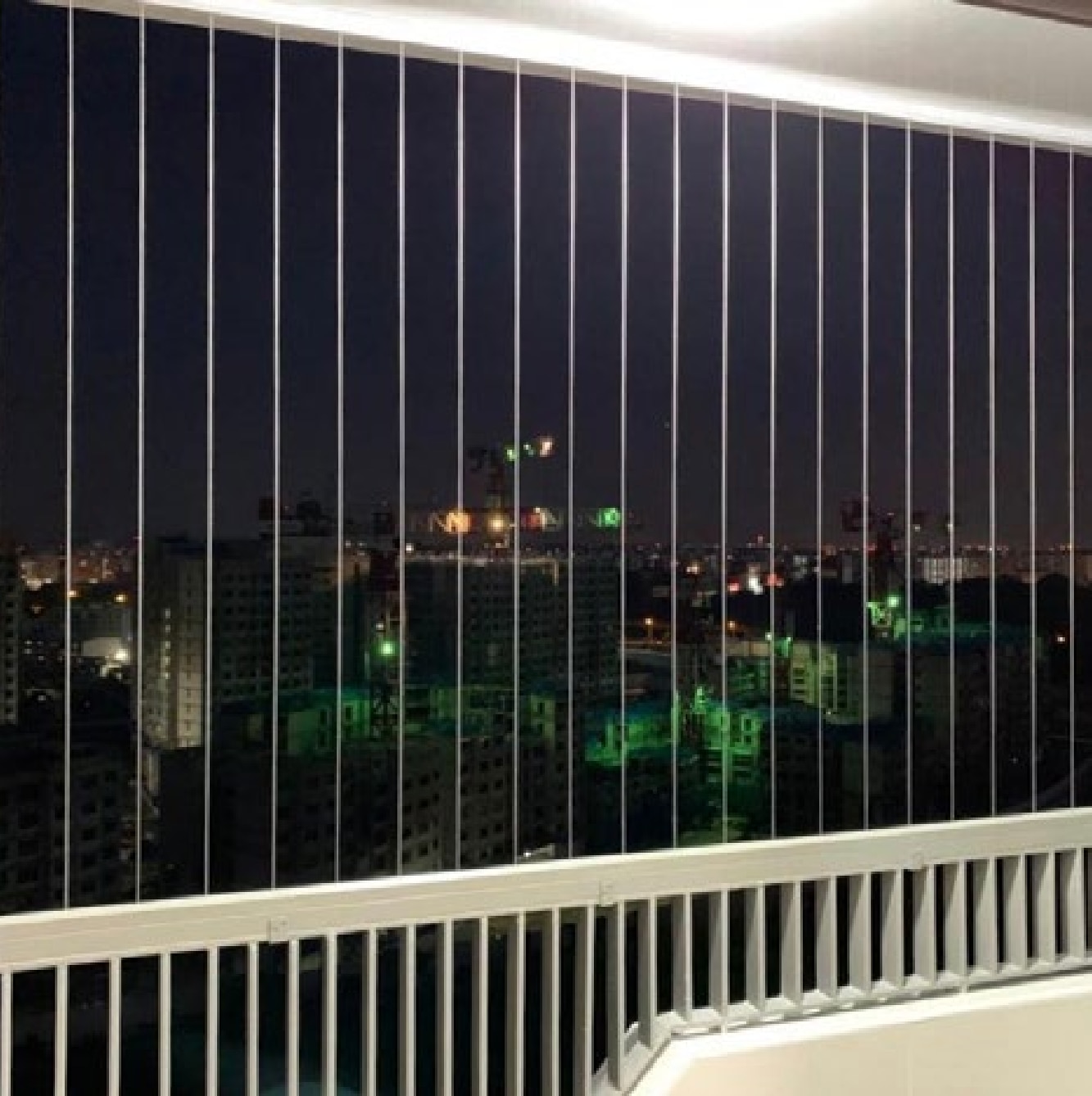 | invisible grill Invisible grills offer the perfect balance between security and style. View product → |
Frequently asked questions
How often should Pune offices inspect invisible grills?
Perform a quick visual check each working day, a recorded check monthly, and a detailed panel inspection every three to six months.
How should an office clean invisible grill cables?
Use mild soapy water and a soft cloth, then rinse and dry the cables and fittings. Avoid abrasive pads, solvents and sharp tools that damage the coating.
What should a detailed invisible grill inspection include?
Check the entire panel, including cable coating, tension, anchors, crimps, corner fittings and signs of corrosion or movement.
When does invisible grill cleaning require professional repair?
Stop work and arrange an invisible grill repair service in Pune when a cable is loose, frayed, corroded, kinked or detached, or when an anchor or fitting moves.
Keywords